


You ever wonder where blessings actually began? The Origins and Evolution of Blessings Across Religions show how gratitude and faith have shaped the way we see peace, healing, and daily life. Like, before we started saying “God bless you” after a sneeze or whispering good wishes before sleep? Blessings have been around longer than written history, a way humans tried to connect with something bigger than themselves. Every religion, every culture, has its own way of blessing, but the heart behind it is the same: protection, peace, and love. It’s kinda wild to think one small word could carry so much faith through centuries.

What Are Blessings, Really?
At its core, a blessing isn’t just words, it’s energy, intention, and care. It’s when someone sends out good thoughts hoping the world listens. In ancient times, blessings were seen as divine approval, something only priests or holy people could give. Over time, though, they became part of everyday life. You bless your food, your kids, your home, or even your day before heading out.
And that’s what makes blessings so universal, they’re simple acts of kindness wrapped in faith. Whether whispered in a temple, church, mosque, or just under your breath before bed, the purpose stays the same: to wish well and spread peace.
The Ancient Roots of Blessings
Long before formal religions, early tribes used rituals, songs, and nature to express gratitude or seek favor from unseen forces. In old Mesopotamia and Egypt, people believed blessings protected crops and families.
In India, the word “Ashirwad” (blessing) has been part of life for thousands of years, showing deep respect for elders and spiritual energy.
In ancient Greece, philosophers believed blessings carried real power, spoken words that shaped destiny.
It’s fascinating how the idea of blessing existed before sacred texts. It started from a very human place: hope.

Blessings in Major Religions
Every faith has its own beautiful way of offering blessings. From Hindu mantras to Christian prayers and Islamic dua’s, these sacred words have carried hope, healing, and gratitude for centuries, shaping how people connect with the divine.
Christianity
In Christianity, blessings are a bridge between God and people. Priests bless food, homes, and even travelers. The Bible is full of blessings, like “The Lord bless you and keep you” symbolizing divine favor and care.
Islam
In Islam, blessings are woven into daily speech. Muslims often say “Barakah” (meaning divine blessing) or “Allah yebarek fik”may God bless you. Every act of kindness or gratitude is seen as an opportunity for blessing.
Hinduism
Hindus believe blessings (Ashirwad) hold spiritual power. Elders, teachers, and saints bless the younger generation for wisdom, health, and peace. Blessings here aren’t just wishes, they’re believed to transfer energy.
Buddhism
In Buddhism, blessings focus on compassion and mindfulness. Monks chant mantras for healing, protection, and inner calm. It’s less about divine favor and more about harmony of mind and heart.
Judaism
Jewish tradition sees blessings (Berakhot) as daily gratitude. There’s a blessing for everything, from food to waking up. The idea is to notice every small gift life gives and respond with thanks.
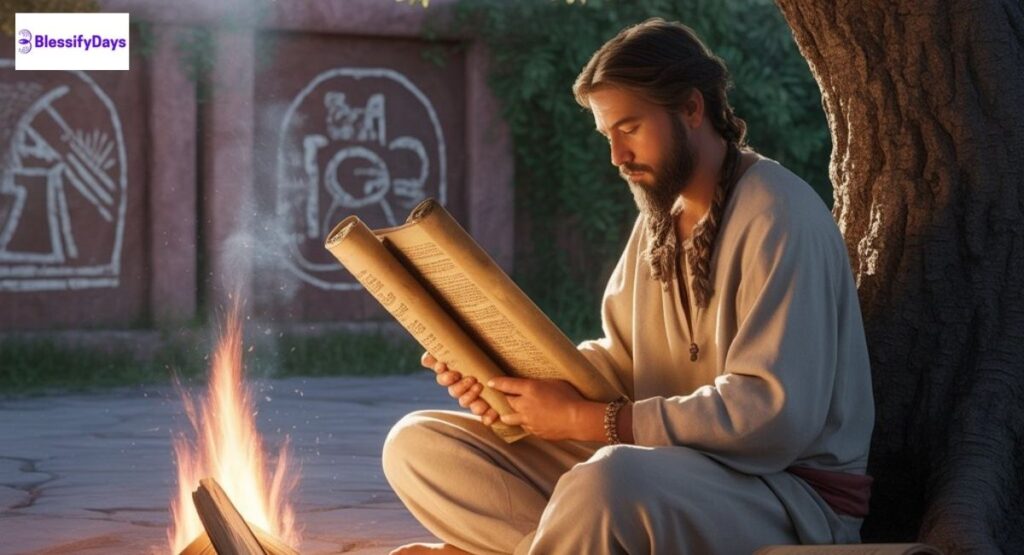
How Blessings Have Evolved Over Time
As the world modernized, blessings evolved from religious rituals to daily affirmations. Now, they show up as texts, quotes, and social media wishes. “Stay blessed” might sound casual, but it still carries the same old warmth, someone wishing good for someone else.
Today, people bless through energy healing, mindfulness, and even social good. The form changed, but the meaning stayed. Blessings moved from sacred spaces to everyday conversations, proof that faith adapts with us.
Why Blessings Still Matter
Even in our fast, digital world, people still crave connection, and blessings give that. They remind us we’re not alone, that kindness still exists. Whether you’re praying, meditating, or just whispering good thoughts for someone you love, that’s a blessing in action.
Blessings are timeless. They’ve evolved, sure, but they’ll never fade. They’re tiny bridges between hearts, no matter what you believe in.
Final Thoughts
The story of blessings is really the story of humanity, our constant search for hope, comfort, and peace. From ancient temples to modern messages, the way we bless has changed, but the purpose never did.
So next time you say “bless you” or “stay blessed,” know this: you’re carrying forward a tradition older than history itself, one small word that keeps the world a little softer.
A Little Note from Me
I still remember sitting by my grandmother one evening as she softly whispered a blessing before dinner. I didn’t really understand it back then, but her calm voice had this strange power, like the whole room slowed down for a second. Now I get it. Blessings aren’t just words; they’re a kind of love we send out. Maybe that’s why I still whisper a small one every night, just to keep that peace alive.
FAQ: The Origins and Evolution of Blessings Across Religions
People often have questions about how blessings began and what they mean across different faiths. Here are some of the most common ones, explained simply.
When did the origins of blessings across religions begin?
Blessings started long before modern religion in as, ncient times, people offered words of hope and gratitude to nature, gods, and spirits for protection and peace.
How have blessings evolved across different religions?
Over time, blessings shifted from ancient rituals to prayers, chants, and spiritual practices. Each religion added its own touch, but the purpose stayed the same: to connect with the divine.
Are blessings the same in every religion?
Not exactly. Every faith has its own words and rituals, but the feeling behind them, peace, gratitude, and goodwill, is universal.
Can blessings exist outside religion?
Absolutely. A simple kind word or positive wish can be a blessing too. It’s more about your heart’s intention than a formal religious act.
Why are blessings still meaningful today?
Because they remind us to pause, reflect, and send good energy out into the world. Even a short, sincere blessing still carries emotional and spiritual power.